
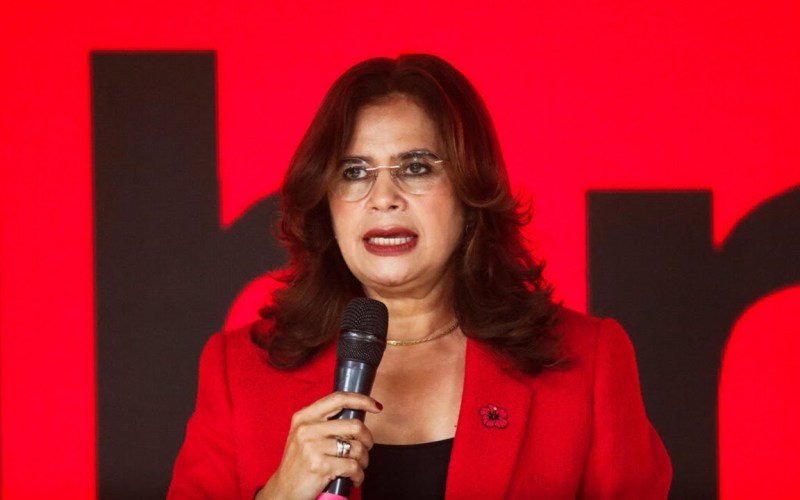
The initial outcomes of the general elections in Honduras conveyed a clear message: the citizens decisively dismissed initiatives associated with political frameworks considered radical. The candidate from the ruling party, Rixi Moncada, significantly trailed her main competitors, a result that analysts viewed as a public demand for maintaining institutional stability and steering clear of changes that could jeopardize democratic governance.
Vote Oriented Towards Moderation and Institutional Equilibrium
During the campaign, political actors, civil organizations, and analysts expressed concern about initiatives promoted by the ruling party linked to a “refounding of the state,” greater economic intervention, and references to 21st-century socialism. These proposals raised doubts about their impact on institutionality, the open economy, and the separation of powers.
Key sectors utilized the term “Plan Venezuela” to characterize what they viewed as an endeavor to emulate Chavista policies. Experts highlight that the electorate’s response, particularly in urban centers and productive industries, demonstrated a concerted effort to avert political changes perceived as either interventionist or polarizing. A comparative politics analyst noted that “the Honduran electorate delivered an unequivocal message: it is unwilling to gravitate towards models associated with authoritarianism, economic crisis, or democratic deterioration.”
Citizen Engagement and Stability Support
International observation missions highlighted the significant participation and agreed that the results genuinely represent voter backing for political moderation. Rixi Moncada’s performance illustrates that the public prioritized institutional stability over ideologically motivated proposals that might potentially create tensions within the nation’s democratic framework.
Experts emphasize that this voting pattern reaffirms the importance of the separation of powers and of maintaining a predictable governance framework for economic and social actors.
Implications for the Honduran Political Landscape
With this outcome, Honduras embarks on a fresh political chapter, marked by expectations of national dialogue, growth-oriented policies, and a steadfast commitment to democratic governance. The incumbent party’s candidate’s defeat suggests that, at least in the immediate future, the implementation of projects that might incite polarization or substantially alter institutional frameworks will likely be averted.
The post-election scenario also highlights the importance of an electorate that acts as a balancing factor, rejecting initiatives perceived as risky for the institutional order. In this context, parties such as LIBRE and other political actors will have to adjust their strategies to align themselves with voters who prioritize stability, the strengthening of institutions, and a political framework oriented toward social cohesion and sustained growth.